
The short answer
- Single-phase home, no solar: the Evnex E2 Flex or myenergi zappi GLO. Both charge at about 7 kW on a standard single-phase supply.
- Single-phase home with solar: the Evnex E2 Core, which can prioritise excess solar, or the Evnex E2 Plus for an 8 m cable, 4G connectivity, load balancing between chargers and four finishes.
- Three-phase home: the Evnex X22, myenergi zappi or Smappee EV Wall, each up to 22 kW on a three-phase supply.
- Making the most of solar: the myenergi zappi, with ECO and ECO+ surplus-solar modes and a sensor included, on single or three-phase power.
- Outdoor installation and advanced energy management: the Smappee EV Wall, rated IP54 and IK10 for indoor and outdoor use, with dynamic load balancing.
- Evnex E2 Flex7.4 kW · Single-phase$799.00
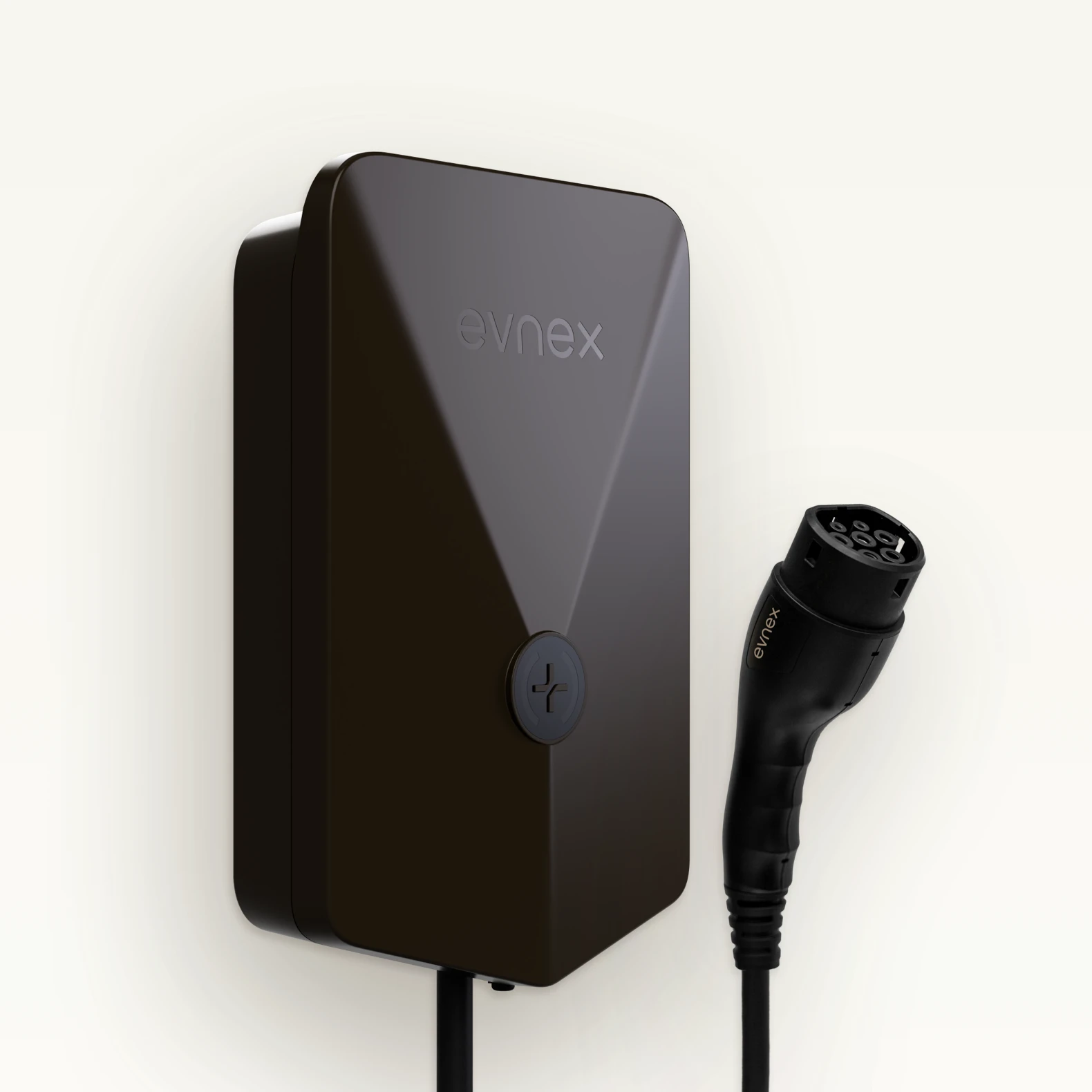
- Evnex E2 Core7.4 kW · Single-phase$1,099.00
- Evnex E2 Plus7.4 kW · Single-phase$1,399.00
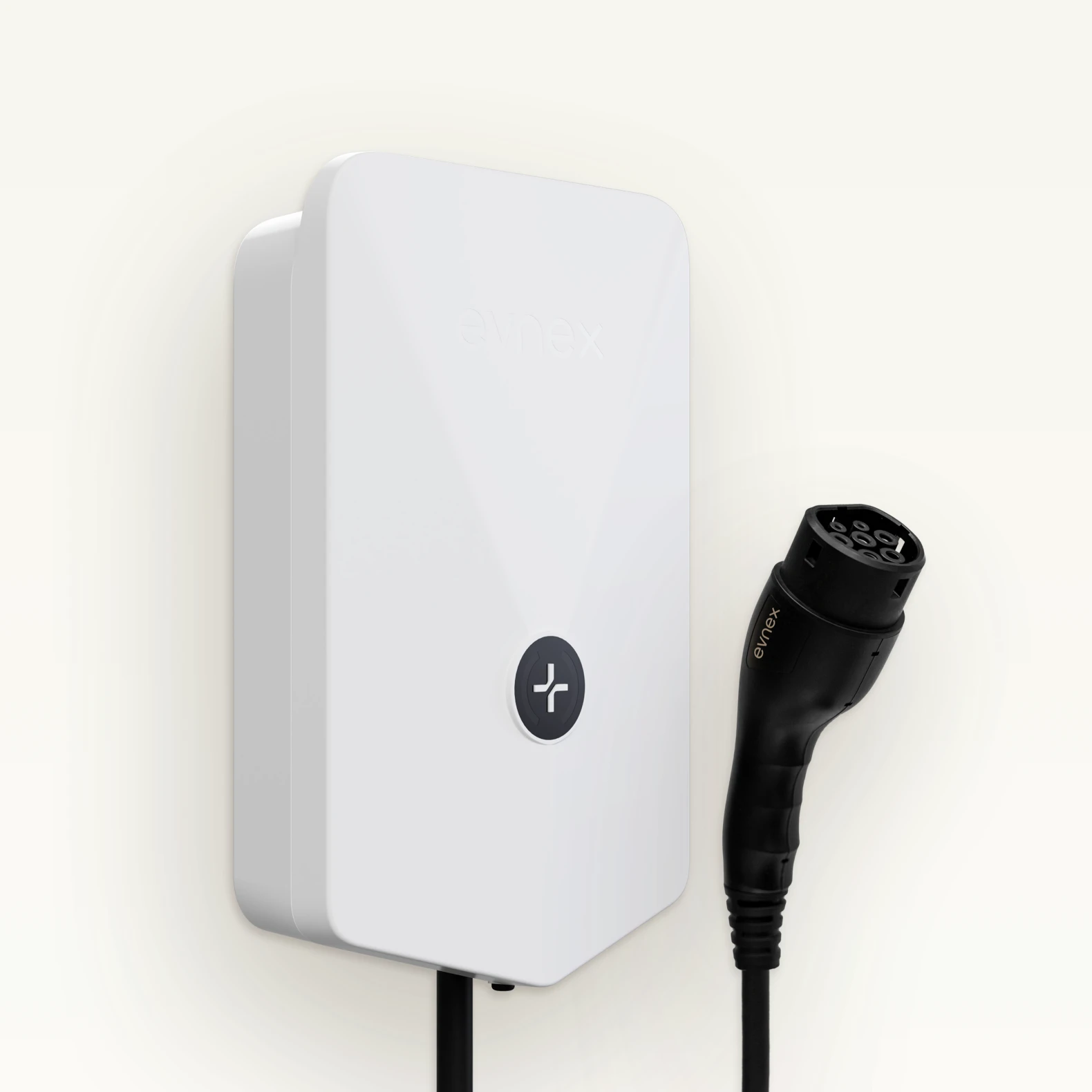
- Evnex X2222 kW · Three-phase$1,499.00
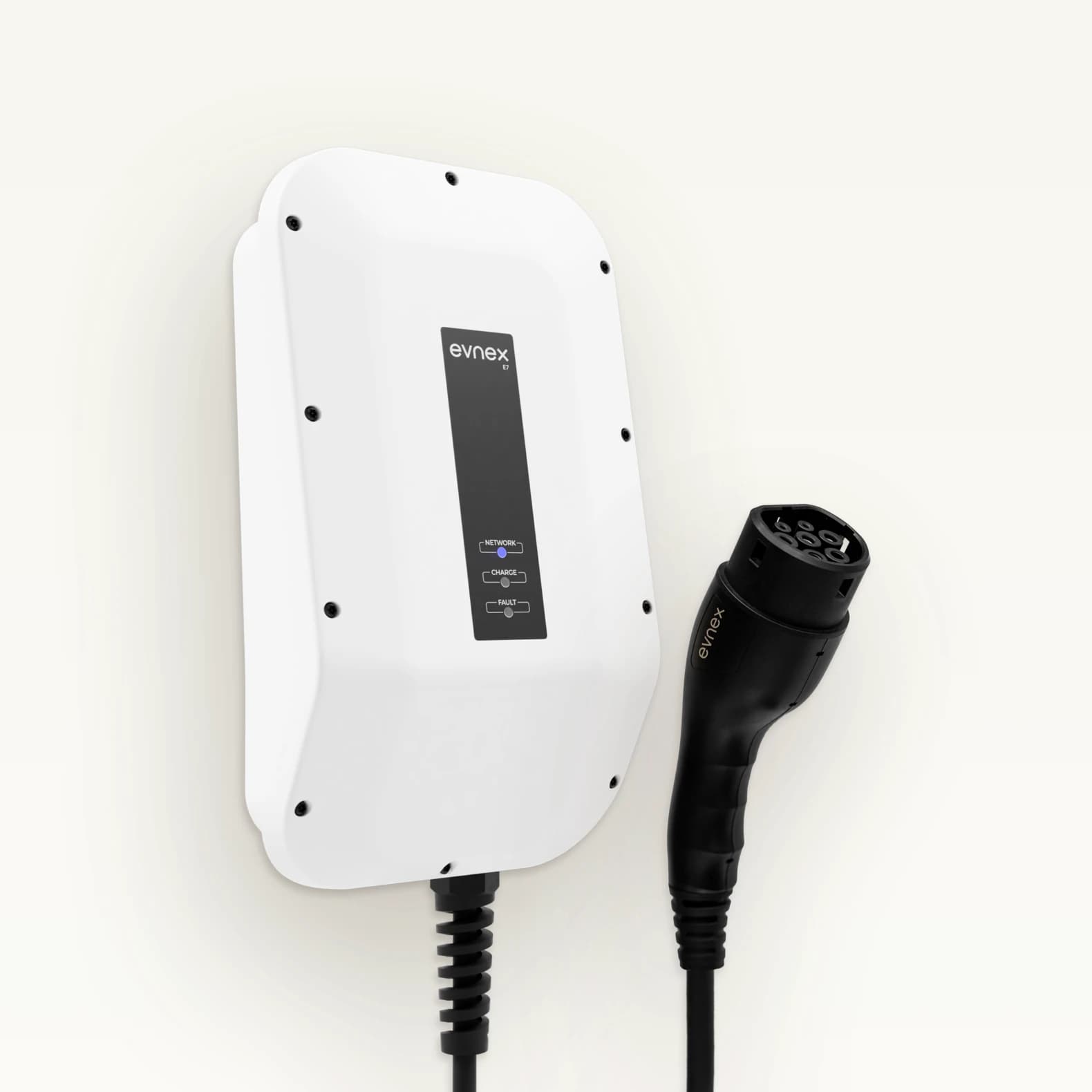
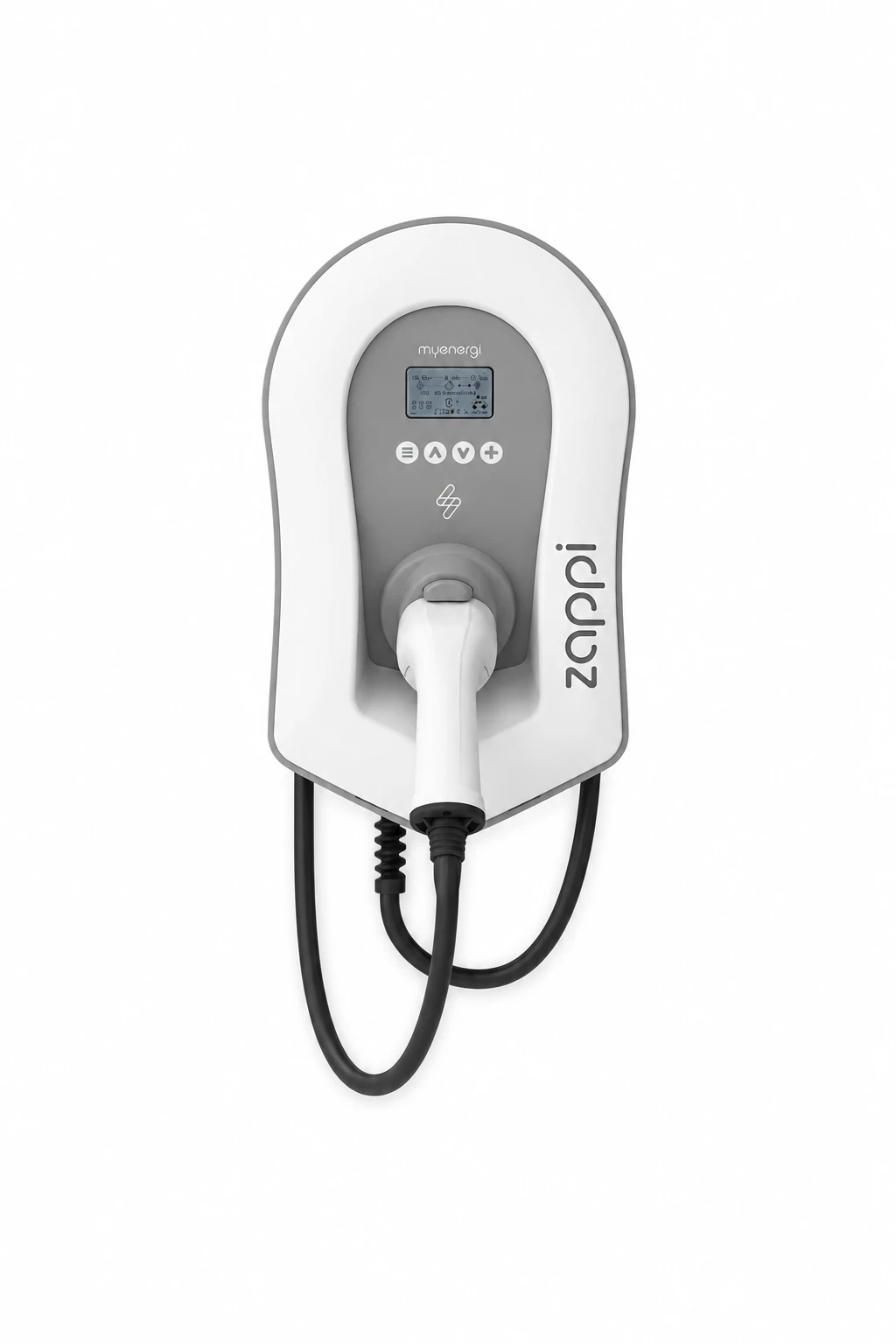
- myenergi zappi7 kW or 22 kW · Single or three-phase$1,420.00
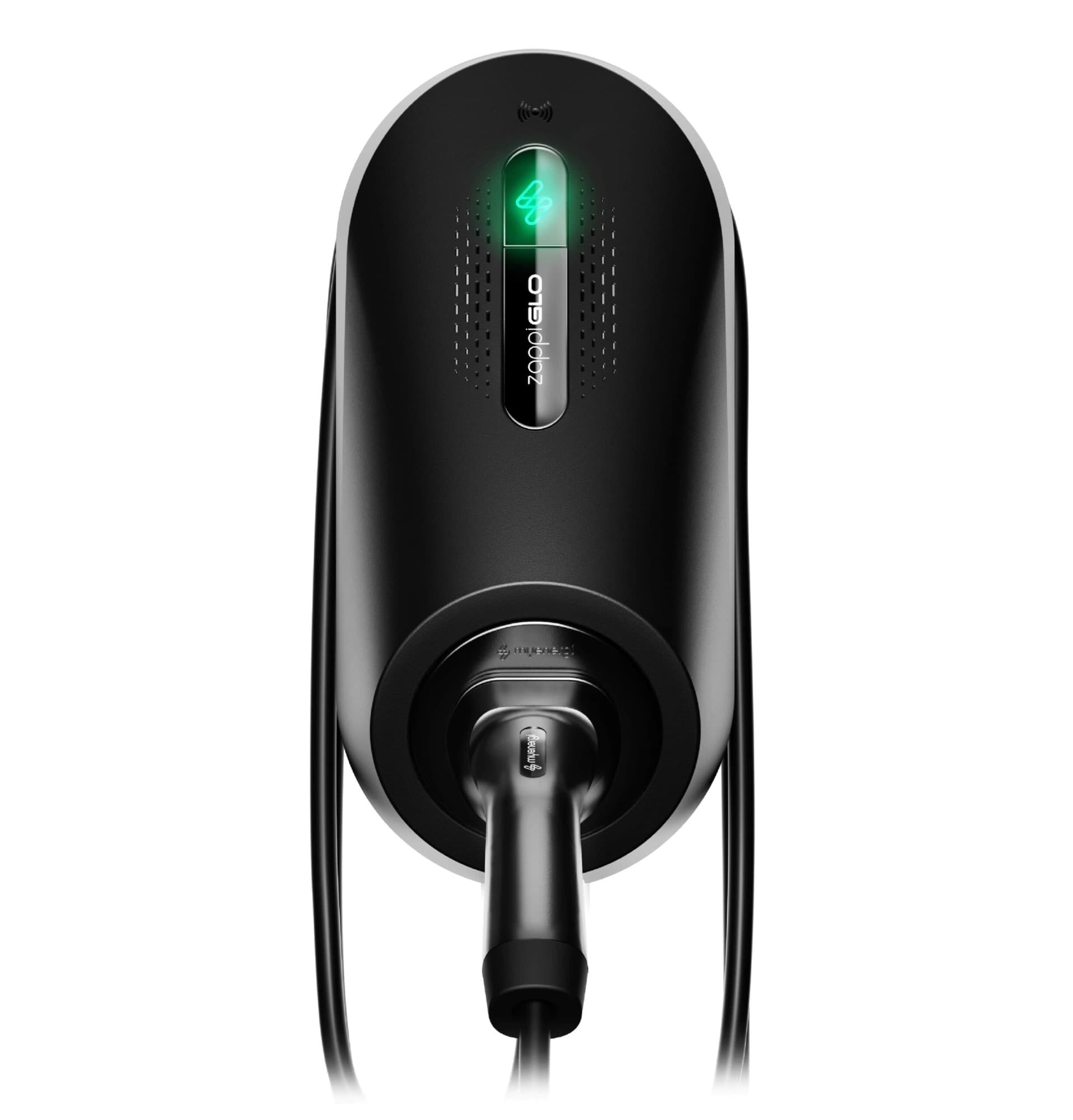
- myenergi zappi GLOUp to 7 kW · Single-phase$1,049.00
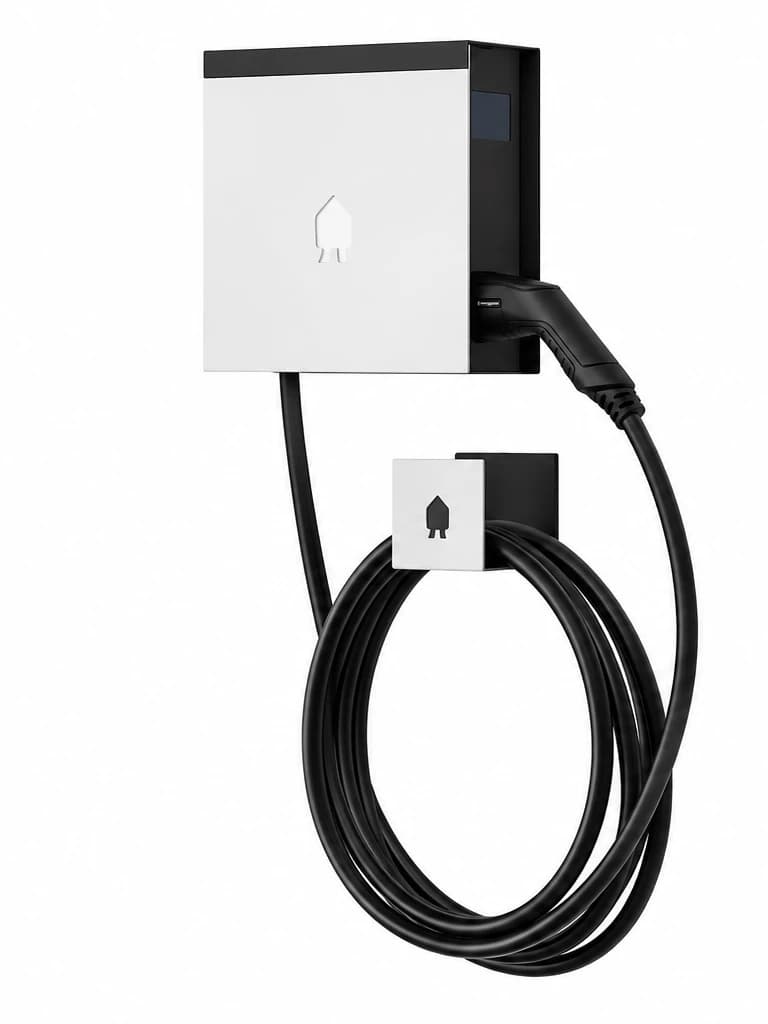
- Smappee EV Wall7.4 kW or 22 kW · Single or three-phase$1,700.00
What decides it
Your power supply sets the ceiling. Most homes have single-phase power, which suits a charger of about 7 kW. Three-phase power allows up to 22 kW. See single-phase vs three-phase charging.
Solar changes which charger makes sense. Some chargers can put your excess solar into the car; others need extra hardware or charge from the grid only. See solar EV charging.
Your car has a limit too. An EV's on-board charger caps how much AC power it accepts, and many EVs charge below 22 kW on AC. A 22 kW charger only charges faster if both your home and your car support it.
Where you park matters. Cable length, a tethered cable or a socket, Wi-Fi coverage at the charger and whether it's indoors or outdoors all narrow the choice. Our step-by-step guide works through them.
The chargers at a glance
| Charger | Maximum AC power | Supply | Solar charging | Cable length | Warranty |
|---|---|---|---|---|---|
| Evnex E2 Flex | 7.4 kW | Single-phase | Grid charging; Evnex offers a solar upgrade (needs additional hardware) | 5 m | 4 years residential, 3 years commercial |
| Evnex E2 Core | 7.4 kW | Single-phase | Can prioritise excess solar | 5 m | 4 years residential, 3 years commercial |
| Evnex E2 Plus | 7.4 kW | Single-phase | Can prioritise excess solar | 8 m | 4 years residential, 3 years commercial |
| Evnex X22 | 22 kW (7.4 kW on single-phase) | Three-phase for 22 kW; phase switching allows single-phase | Excess solar: single-phase above ~1.5 kW export, three-phase above ~4.5 kW; sensors included | 5 m (socket: your own cable) | 4 years residential, 3 years commercial |
| myenergi zappi | 7 kW single-phase or 22 kW three-phase | Single or three-phase | ECO and ECO+ surplus solar modes; sensor included | 6.5 m (socket: your own cable) | 3 years |
| myenergi zappi GLO | 7 kW | Single-phase | Solar and home energy integration; no dedicated solar diversion | 6.5 m | 3 years |
| Smappee EV Wall | 7.4 kW single-phase or 22 kW three-phase | Single or three-phase | Solar optimisation with additional Smappee monitoring hardware (needs additional hardware) | 8 m (socket: your own cable) | 2 years |
Price, warranty and installation
Prices on EV Super Centre are in Australian dollars and include GST. Manufacturer warranties range from 2 years (Smappee EV Wall) to 4 years residential (Evnex). Installation isn't included in the charger price: in South East Queensland, TSG Electrical quotes and installs it, and our installation cost guide explains what it costs.
Still not sure?
Find My Charger asks two or three quick questions about your home and suggests chargers to suit.
Find My ChargerQuestions
Is a more powerful EV charger always better?
No. A charger can only deliver what your power supply and your car accept. On single-phase power the practical limit is about 7 kW. A 22 kW charger needs three-phase power and a car that accepts 22 kW on AC, and many EVs charge below that.
Will these chargers work with my car?
Every charger we sell uses the Type 2 connector. Check that your EV has a Type 2 charging port. Tethered chargers include the cable; socket (untethered) versions need your own Type 2 cable.
Which charger is best for solar?
For single-phase homes, the Evnex E2 Core and E2 Plus can prioritise excess solar. The myenergi zappi has dedicated surplus-solar modes on single or three-phase, and the Evnex X22 charges from excess solar on three-phase with phase switching. The Smappee EV Wall needs extra Smappee hardware for solar.
Sources
- Energex: Charging your EV
- Evnex: Compare chargers
- myenergi: zappi
- Smappee: EV Wall technical specifications
Product details are from each manufacturer's published documentation. Prices are in AUD and include GST.